Pruning keeps a healthy tree in good shape. It lifts limbs clear of the roof and the cars, removes dead wood while it is still up in the crown, and lets wind pass through the canopy. Rock Hill Tree Care Co. handles tree trimming and pruning for homeowners in Rock Hill and the surrounding towns.
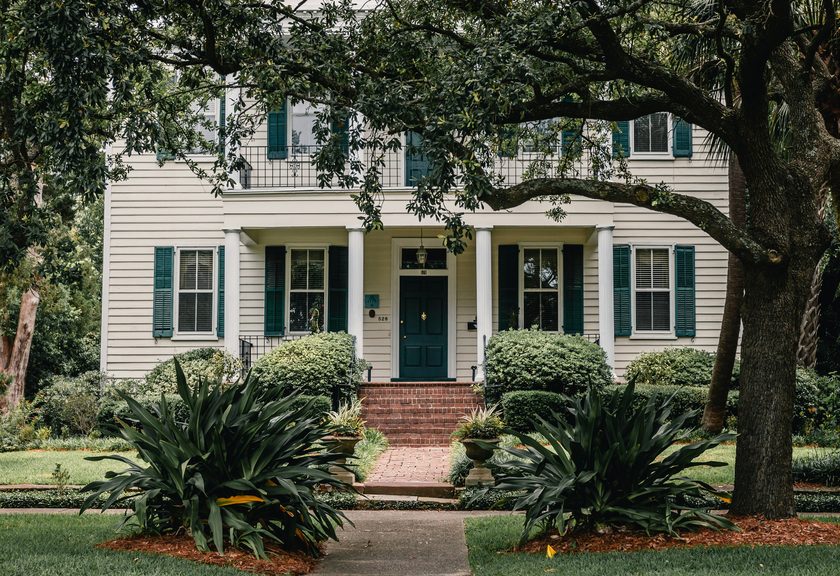
The willow oaks along the older streets are a big part of what makes this city look the way it does. Many of them now reach over two or three rooflines at once, and they were never meant to go decades without a cut.
The reasons people call are fairly consistent. Something is touching the house. Something overhead looks dead. The lawn has gone bare in the shade. A storm is forecast and one long limb has been on your mind for a while.
Tree pruning is also the gentler answer. Before deciding a tree has to go, it is worth finding out whether taking weight off it would settle the worry.
If you can’t tell what your trees need, that’s fine. We go around the property with you, sort the urgent from the optional, and price what you decide to do.
Call 803-267-5527 or send the form to get a free tree trimming quote.
Free quote. No obligation.
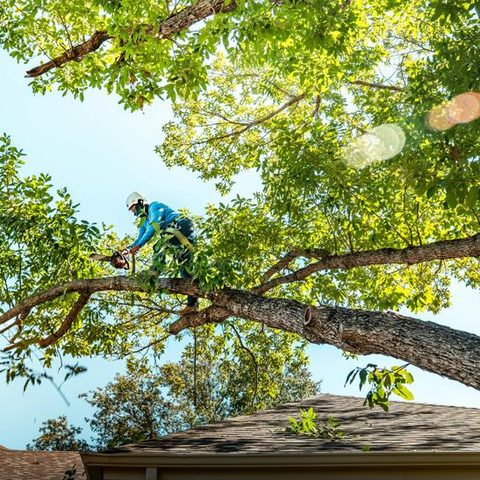
Limbs are shortened or removed where they reach the shingles, the gutters, the chimney or the cars. If any of that growth is near a power line, say so when you call, and let your power company know as well.
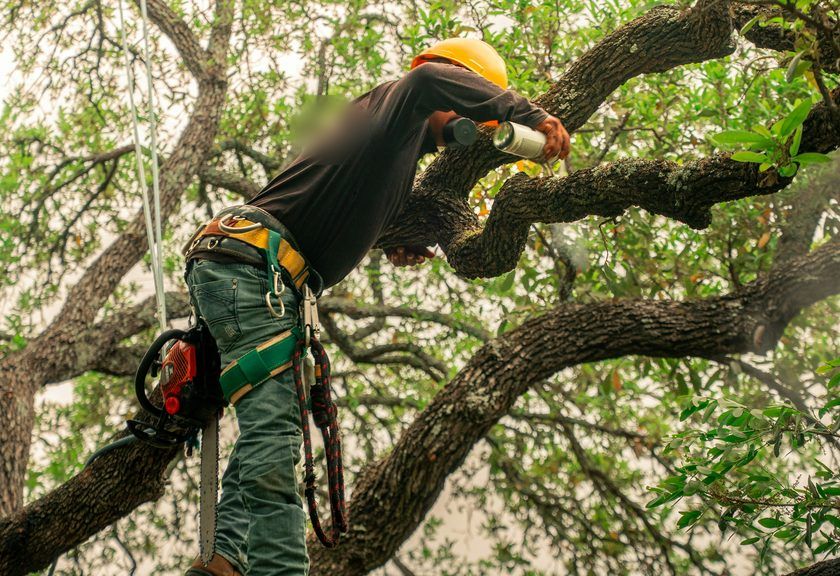
This kind of limb removal takes dead, split and storm-broken branches out of the crown, where they would otherwise hang until they drop.
A measured number of live branches come out from the interior so sunlight reaches the ground and wind moves through the tree instead of pushing on it.
Lower limbs are taken off to give clearance above a path, a parked car or a view of the lake.
Small corrections in the first seasons, such as removing a competing leader, prevent large problems later.


When nobody has looked up into the big trees since you bought the house, a visit is a sensible idea.
Wood doesn’t mend. A tree walls off an injury and grows fresh tissue around it, and it can only do that when the cut is in the right place. Just beyond the branch collar is the right place. Cut into the collar, or leave a peg sticking out, and rot has a way in.
Quantity counts too. Leaves feed the tree, so removing a large share of them in one visit weakens it and brings on a burst of spindly shoots. Heavy pruning is better spread over more than one season.
Water oaks deserve a special note. Large wounds on them tend to decay, so the better course is light, regular pruning that never requires a big cut.
Trimming a crape myrtle by the mailbox and reducing a willow oak that spreads above a two-story roof are different jobs, and the quote reflects that. The things that matter are the height of the tree, the amount of wood to come off, what lies under the limbs and how near a truck can park.
Have every tree you’re thinking about looked at in the same visit so they can be priced together. And if one of them proves to be beyond pruning, you’ll be told, with removal as the alternative.
Go by the tree, not the calendar. Trees that put on a lot of growth each year and stand close to the house, such as water oaks and silver maples, need looking at sooner than a white oak in the middle of the lawn. A glance up into the crown each winter, once the leaves are down, tells you a lot.
Winter and early spring suit most shade trees, oaks included, because the tree is resting and its shape is easy to read. Limbs that are dead, cracked or dangling don’t need to wait for a season.
Topping does more harm than good. The tree responds with a flush of thin, weak shoots that are poorly attached, and within a few seasons it is as tall as before and weaker. A crape myrtle hacked back to stubs each winter is the same mistake on a small scale. When a tree is truly too big for its place, a gradual crown reduction or removal are the two real options.
Like someone to take a look? Call 803-267-5527 or use the form. There’s no charge for the quote.
The home page has the full list, and the contact page has the number and the form.